Legendary Thief Stealth Series Returns with New VR Chapter After 11-Year Hiatus
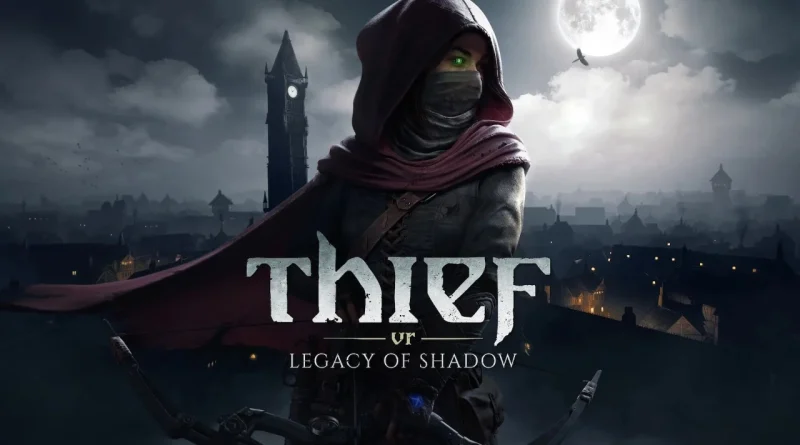
The iconic stealth-action franchise Thief is making a triumphant return with Thief VR: Legacy of Shadow, marking the first new entry in the beloved series since 2014. This long-awaited continuation will transport players into the shadows exclusively through virtual reality headsets, offering an immersive experience designed specifically for PlayStation VR2, Meta Quest 2, and Quest 3 platforms. The announcement has sent waves of excitement through the gaming community, particularly among fans who have been waiting over a decade for the master thief Garrett to return to action.
The Thief franchise holds a legendary status in gaming history, having essentially pioneered the stealth genre when the original Thief: The Dark Project launched in 1998. Developed by Looking Glass Studios, the game introduced revolutionary concepts such as light and shadow mechanics, sound-based detection systems, and non-linear level design that prioritized player choice over brute force combat. The series spawned three sequels before Looking Glass Studios closed in 2000, with the final installment, simply titled Thief, being developed by Eidos Montreal and released in 2014 to mixed critical reception. Despite its divisive nature, fans have continued to hope for a revival that would capture the essence of what made the original games so groundbreaking.
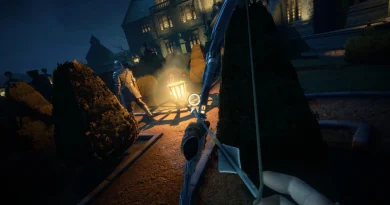
The decision to bring Thief into virtual reality represents a bold creative choice that could potentially revolutionize how stealth games are experienced. VR technology naturally lends itself to the careful, methodical gameplay that defined the series, allowing players to physically lean around corners, pick locks with their own hands, and experience the tension of hiding in shadows as guards patrol mere feet away. The immersive nature of virtual reality could amplify the atmospheric dread and suspense that the Thief series was always known for, creating an unprecedented level of engagement for stealth enthusiasts. Industry analysts suggest this approach could help differentiate the title in an increasingly crowded VR marketplace while honoring the franchise’s innovative legacy.
The VR gaming landscape has evolved significantly in recent years, with platforms like the Meta Quest series bringing standalone wireless VR to mainstream audiences. The PlayStation VR2, released in 2023, offers high-fidelity visuals and haptic feedback that could enhance the tactile experience of sneaking through the gothic, steampunk-inspired world that Thief is known for. By targeting multiple VR platforms simultaneously, the developers are ensuring that Legacy of Shadow reaches the widest possible audience of virtual reality enthusiasts. This multi-platform approach mirrors successful VR releases like Resident Evil 4 VR and demonstrates confidence in the growing installed base of VR headsets worldwide.
The Thief universe has always been characterized by its distinctive blend of medieval and industrial aesthetics, set in a sprawling metropolis known simply as The City. Players assume the role of Garrett, a cynical master thief with unparalleled skills in lockpicking, pickpocketing, and remaining unseen. The narrative typically weaves together elements of political intrigue, supernatural forces, and moral ambiguity, creating a rich tapestry that has inspired countless other games in the stealth genre. Titles such as Dishonored, which was created by developers who worked on the original Thief games, owe a significant debt to the franchise’s groundbreaking approach to player agency and environmental storytelling.
While specific gameplay details and release dates remain scarce, the mere confirmation of a new Thief project has reignited discussions about the future of stealth games in modern gaming. The genre has seen something of a renaissance in recent years, with titles like Hitman and the aforementioned Dishonored series keeping the flame alive. However, many purists argue that few games have matched the methodical, tension-filled gameplay loop that made Thief a cult classic. The transition to VR presents both opportunities and challenges for the developers, who must balance faithful recreation of classic mechanics with innovations that take full advantage of the immersive medium.
As the gaming industry continues to explore the potential of virtual reality, established franchises venturing into the space bring valuable credibility and built-in audiences. Thief VR: Legacy of Shadow represents not just a continuation of a beloved series, but potentially a new benchmark for what stealth games can achieve in virtual reality. Fans around the world now eagerly await further details about when they can once again step into Garrett’s well-worn boots and embrace the shadows in ways never before possible.