Medieval Simulator Lionhearts Successfully Completes Combat System Stress Test, Receives Major Improvements
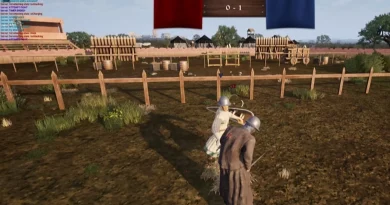
The development team behind Lionhearts, an ambitious medieval simulation game, has announced the successful completion of their first major stress test for the game’s melee combat system built on Unreal Engine 5. The test results exceeded expectations, with no critical performance issues detected during the intensive testing phase. Any minor bugs discovered during the process are already being addressed and fixed by the development team in real-time, signaling a smooth path toward the game’s eventual release.
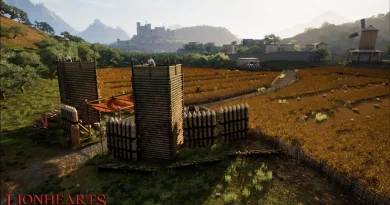
Lionhearts represents a new generation of medieval simulators that aim to deliver unprecedented levels of realism and immersion. The game leverages the full power of Unreal Engine 5, Epic Games’ latest game development platform that has revolutionized the industry with its advanced features like Nanite virtualized geometry and Lumen global illumination. These technologies allow developers to create highly detailed environments and realistic lighting conditions that were previously impossible to achieve in real-time applications. The successful stress test demonstrates that the development team has effectively optimized their combat mechanics to work within these demanding technical parameters.
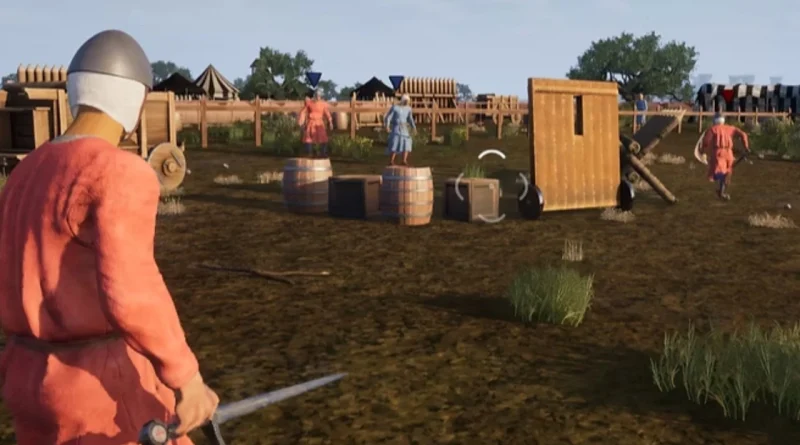
The melee combat system, which serves as the core gameplay mechanic in Lionhearts, has been a particular focus for the development team. Medieval combat simulations have historically struggled to balance realistic physics-based sword fighting with smooth, responsive gameplay. Many games in the genre have faced criticism for either feeling too arcade-like or too cumbersome in their approach to historical combat. The Lionhearts team appears to be threading this needle carefully, building a system that respects the weight and momentum of medieval weapons while still providing an enjoyable player experience.
Stress testing is a crucial phase in game development that helps identify potential bottlenecks and performance issues before they reach players. During these tests, developers push game systems to their absolute limits, simulating scenarios with maximum numbers of characters, effects, and simultaneous actions. For a combat-focused game like Lionhearts, this means testing scenarios with multiple fighters engaging in complex melee exchanges, each with their own physics calculations, animations, and AI decision-making processes running simultaneously. The fact that no critical issues emerged speaks to the technical competence of the development team.
The medieval gaming genre has seen tremendous growth in recent years, with titles like Kingdom Come: Deliverance, Mordhau, and Chivalry 2 demonstrating strong player appetite for historically-inspired combat experiences. Kingdom Come: Deliverance in particular proved that players are hungry for more realistic, grounded medieval experiences that prioritize historical authenticity over fantasy elements. Lionhearts appears to be positioning itself within this growing market segment, though specific details about its setting and narrative remain limited at this stage of development.
Industry analysts have noted that Unreal Engine 5 has become the platform of choice for ambitious independent developers seeking to compete with larger studios on visual fidelity. The engine’s accessibility and powerful toolset have democratized high-end game development, allowing smaller teams to create experiences that rival AAA productions. However, this power comes with complexity, making successful optimization a significant achievement that not all development teams manage to accomplish.
Looking ahead, the Lionhearts development team will likely continue with additional testing phases as they refine other game systems and prepare for broader public access. The successful completion of this combat stress test marks an important milestone, but considerable work remains before the full game reaches players. Fans of the medieval simulation genre will be watching closely as more details emerge about gameplay features, historical settings, and release timelines. With the technical foundation now proven solid, the focus can shift to content creation and polish—the final steps on the road to launch.