Star Wars: Battlefront 2 Makes Surprising Return to Top 15 Best-Selling Games Chart
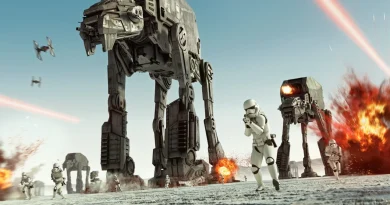
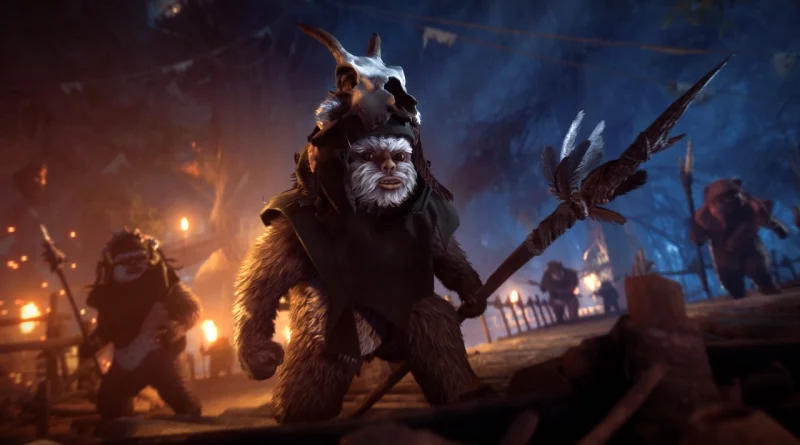
In an unexpected turn of events that has caught the gaming industry by surprise, Star Wars: Battlefront 2 has rocketed back into the spotlight, claiming the 12th position on the United States sales charts despite being released eight years ago. The sudden resurgence of this classic multiplayer shooter demonstrates the enduring power of the Star Wars franchise and the remarkable ability of strategic marketing to breathe new life into older titles.
The game’s remarkable comeback can be directly attributed to the overwhelming enthusiasm surrounding the second season of “Andor,” the critically acclaimed Disney+ series that has reinvigorated fan interest in the Star Wars universe. As viewers flock to streaming platforms to follow the story of Cassian Andor, many are seeking additional ways to immerse themselves in the galaxy far, far away, and Battlefront 2 offers exactly that experience with its authentic recreation of iconic Star Wars battles and locations.
Electronic Arts and Disney have also ramped up their marketing efforts for the Star Wars gaming portfolio, creating a perfect storm of visibility for the 2017 release. Special promotions, discounted pricing, and strategic placement on digital storefronts have all contributed to driving new and returning players toward the title. The game’s availability on multiple platforms, including PlayStation, Xbox, and PC through EA Play and Xbox Game Pass, has made it more accessible than ever to curious gamers looking to experience large-scale Star Wars combat.
The journey of Star Wars: Battlefront 2 has been nothing short of remarkable and serves as one of gaming’s greatest redemption stories. When the game launched in November 2017, it faced immediate and severe backlash over its aggressive microtransaction system and pay-to-win mechanics. The controversy became so intense that it drew attention from government regulators worldwide and sparked a broader conversation about predatory monetization practices in the gaming industry. EA was forced to completely overhaul the game’s progression system, removing paid loot boxes and restructuring how players unlock content.
Following these changes, DICE, the Swedish development studio behind the game, committed to years of free content updates that transformed Battlefront 2 into the definitive Star Wars gaming experience many had hoped for at launch. The game received new planets, heroes, game modes, and an expanded single-player campaign that brought beloved characters from across the franchise’s history into the fold. Clone Wars content, including playable heroes like Obi-Wan Kenobi, Anakin Skywalker, Count Dooku, and General Grievous, significantly expanded the game’s appeal to fans of the prequel era.
Industry analysts point to this phenomenon as evidence of the long-tail potential of live-service games when properly supported and marketed. The Star Wars license, combined with genuinely improved gameplay mechanics and a wealth of content added post-launch, has created a product that continues to attract players nearly a decade after its initial release. The game’s thriving online community, active multiplayer servers, and regular community events have helped maintain a dedicated player base that welcomes newcomers.
This resurgence also reflects broader trends in the entertainment industry, where multimedia franchises leverage cross-platform synergies to maximize engagement. When a Star Wars television series generates excitement, that enthusiasm naturally flows toward other franchise products, including video games, merchandise, and theme park attractions. Disney and Lucasfilm have become increasingly sophisticated at orchestrating these marketing moments to create sustained interest across their portfolio of properties.
Looking ahead, the success of Battlefront 2’s chart return may influence how publishers approach legacy titles in their catalogs. Rather than allowing older games to fade into obscurity, strategic reactivation campaigns tied to cultural moments could become a standard practice. For Star Wars fans and gamers alike, this unexpected comeback serves as a reminder that in the ever-evolving landscape of interactive entertainment, a great game with strong source material can always find its audience again.