Life Simulation Game inZOI to Remain in Early Access Until 2027
The highly anticipated life simulation game inZOI will continue its early access phase for nearly another year, as developer Krafton has announced a significant delay to its full release. Development lead Hyungjun Kim revealed that the complete version 1.0 launch is now scheduled for March 2027, pushing back expectations for fans who have been eagerly awaiting the polished final product. This announcement has sparked discussions within the gaming community about the ambitious scope of the project and what this extended development period means for the game’s quality upon release.
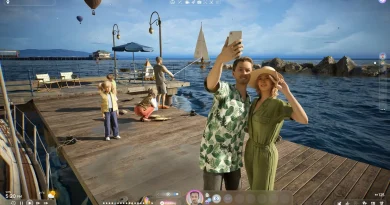
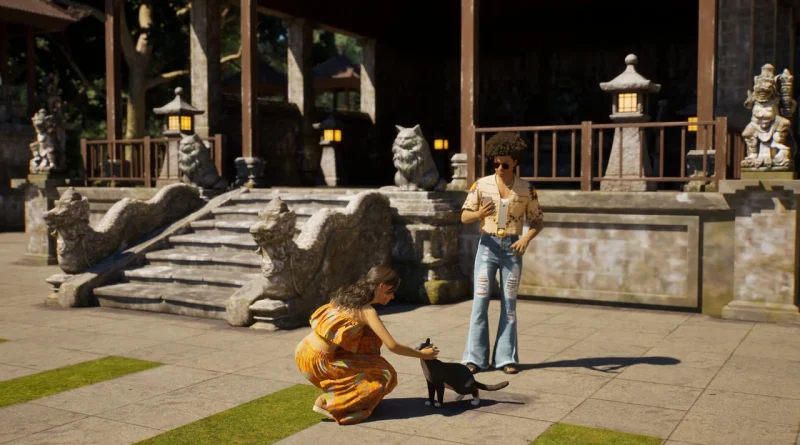
inZOI represents South Korean gaming giant Krafton’s ambitious entry into the life simulation genre, a market segment that has been dominated by Electronic Arts’ The Sims franchise for over two decades. The game was first unveiled in 2023 and immediately captured attention with its stunning Unreal Engine 5 graphics, featuring remarkably realistic character models and environments that far surpass anything currently available in the genre. The character creation system alone garnered millions of views on social media platforms, with players showcasing incredibly detailed and lifelike avatars that demonstrated the game’s technical capabilities.
The decision to extend the early access period reflects a growing trend in the gaming industry where developers prioritize quality over rushed release schedules. Early access has become an increasingly popular development model, allowing studios to gather player feedback, identify bugs, and refine gameplay mechanics before committing to a final release. For a game as complex as inZOI, which aims to simulate virtually every aspect of daily life including careers, relationships, home building, and social interactions, this additional development time could prove crucial in delivering a polished experience that meets player expectations.
Krafton, best known for developing the massively successful battle royale game PUBG: Battlegrounds, has significant resources to invest in inZOI’s development. The company has positioned this project as a major strategic initiative to diversify its portfolio beyond the shooter genre. Industry analysts suggest that successfully capturing even a portion of The Sims’ dedicated player base could represent billions of dollars in potential revenue through game sales, downloadable content, and microtransactions. The Sims 4 alone has generated over $1 billion in revenue since its 2014 launch, demonstrating the lucrative nature of this market segment.
The extended development timeline also arrives at an interesting moment for the life simulation genre. Electronic Arts recently announced The Sims 5, codenamed Project Rene, which is being developed as a free-to-play title with significant online components. This shift in EA’s approach has created an opening for competitors like inZOI to potentially capture players who prefer a more traditional premium gaming experience. Additionally, indie alternatives such as Paralives have also been in development, suggesting that the market is becoming increasingly competitive after years of Sims dominance.
Player reactions to the delay have been mixed within the gaming community. Some fans expressed disappointment at having to wait an additional year for the complete experience, particularly those who purchased early access expecting a faster path to the full release. However, many others have voiced support for Krafton’s decision, citing numerous examples of games that suffered from premature launches. Titles like Cyberpunk 2077 and No Man’s Sky serve as cautionary tales of what can happen when highly anticipated games release before they are truly ready, often requiring years of post-launch updates to fulfill their original promises.
During the extended early access period, Krafton has committed to regular content updates and improvements based on community feedback. The development team has already implemented numerous changes since the early access launch, addressing player concerns about performance optimization, adding new features, and expanding the game’s content offerings. This iterative approach allows the studio to essentially co-develop the game alongside its most dedicated players, ensuring that the final 1.0 release reflects the community’s desires while maintaining the developer’s creative vision.
Looking ahead to the March 2027 release, industry observers will be watching closely to see whether inZOI can successfully challenge The Sims’ long-standing market dominance. The game’s technical achievements are undeniable, but success in the life simulation genre requires more than impressive graphics—it demands deep gameplay systems, extensive customization options, and the kind of emergent storytelling possibilities that keep players engaged for hundreds of hours. If Krafton uses this additional development time wisely, inZOI could emerge as a serious contender that reshapes the competitive landscape of life simulation gaming for years to come.