Austin Wintory Dedicates Grammy Award to Clair Obscur: Expedition 33 Composer in Unexpected Show of Solidarity
In a remarkable display of artistic camaraderie that captured the attention of the gaming community, composer Austin Wintory used his Grammy acceptance speech to honor a fellow musician rather than simply celebrate his own achievement. Wintory, who took home the prestigious award for Best Score Soundtrack for Video Games and Other Interactive Media for his work on Sword of the Sea, surprised attendees by dedicating his victory to the creators of Clair Obscur: Expedition 33 and its composer at Sandfall Interactive studio. The gesture has sparked widespread discussion about recognition, competition, and solidarity within the video game music industry.
The Grammy category for video game soundtracks is relatively new, having been established only in recent years after decades of lobbying by industry professionals who argued that game music deserved the same recognition as film and television scores. This recognition came after years of groundbreaking compositions that elevated gaming narratives to new artistic heights. Wintory himself made history in 2013 when his score for Journey became the first video game soundtrack ever nominated for a Grammy, though it did not win at that time. His eventual victory with Sword of the Sea represents not just a personal triumph but a validation of his pioneering efforts to bring legitimacy to video game music as an art form worthy of mainstream recognition.
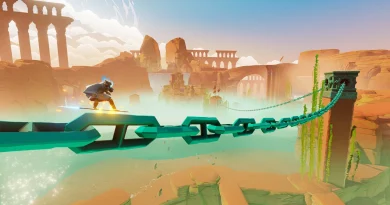
Sword of the Sea, developed by Giant Squid Studios, is a visually stunning action-adventure game that follows a lone surfer navigating a desert landscape transformed into an ocean of sand. Wintory’s score for the game blends orchestral arrangements with electronic elements, creating an atmospheric soundscape that perfectly complements the game’s themes of solitude, discovery, and environmental transformation. Critics praised the soundtrack for its ability to enhance the emotional journey of players, using dynamic music systems that respond to gameplay in real-time. This technical innovation, combined with artistic excellence, made Wintory’s work a strong contender in the competitive Grammy field.
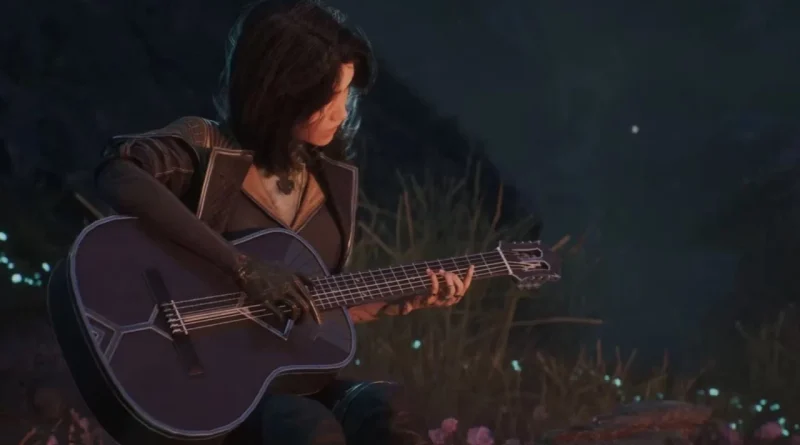
Clair Obscur: Expedition 33, the game Wintory chose to honor, has been generating significant buzz in the gaming world since its announcement. Developed by French studio Sandfall Interactive, the game represents an ambitious turn-based RPG that draws inspiration from classic Japanese role-playing games while incorporating a distinctive European artistic sensibility. The game’s title references the artistic technique of chiaroscuro, the dramatic use of light and shadow in visual arts, which is reflected throughout its stunning visual design and narrative approach. The soundtrack, which caught Wintory’s attention and admiration, has been praised for its emotional depth and its ability to capture the game’s melancholic yet hopeful atmosphere.
Wintory’s decision to share his spotlight reflects a broader culture of mutual support that has developed within the video game music community over the past decade. Unlike many competitive industries where artists guard their achievements jealously, game composers have frequently advocated for one another’s work and pushed for greater recognition of the medium as a whole. This collaborative spirit stems partly from the relatively small size of the professional game composer community, where many artists know each other personally and have often collaborated on projects. Industry veterans have noted that this sense of camaraderie has been instrumental in elevating the profile of video game music on the global stage.
The gesture also highlights ongoing conversations about how awards bodies evaluate interactive media compositions, which often function very differently from traditional linear scores. Video game soundtracks must account for player agency, variable pacing, and branching narratives, requiring composers to create music that can seamlessly adapt to countless possible scenarios while maintaining emotional coherence. Some critics argue that current award frameworks, originally designed for film and television, may not fully capture the technical and artistic innovations specific to game music. Wintory’s public acknowledgment of Clair Obscur: Expedition 33 may have been intended partly to draw attention to work he felt deserved more recognition within these evolving evaluation criteria.
The response from the gaming community and music industry has been overwhelmingly positive, with many praising Wintory for his humility and generosity. Social media platforms were flooded with messages of support and appreciation for both composers, and the incident has brought additional attention to both Sword of the Sea and Clair Obscur: Expedition 33. Representatives from Sandfall Interactive expressed their gratitude for Wintory’s unexpected tribute, noting that such recognition from a respected colleague means as much as any formal award. As video game music continues to gain mainstream acceptance and critical attention, moments like these demonstrate that the industry’s greatest practitioners remain committed to elevating the entire art form rather than simply their own careers.