Peak Creator Embraces ‘Friendslop’ Genre Label, Argues Games Are Fundamentally About Human Connection
A new term has emerged in the gaming lexicon that some might consider dismissive, yet the developers behind one of 2024’s most unexpected hits have chosen to wear it as a badge of honor. The word ‘friendslop’ — a portmanteau combining ‘friend’ with the somewhat derogatory ‘slop’ — has been coined to describe a growing category of cooperative games characterized by chaotic gameplay, voice chat dependency, and an abundance of meme-worthy moments. Rather than taking offense at the seemingly pejorative label, the creators of Peak have stepped forward to defend the genre and articulate why they believe these experiences represent something genuinely valuable in modern gaming.
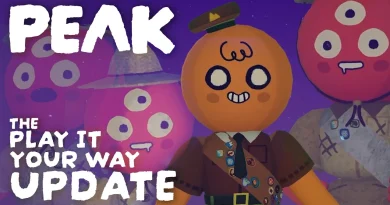
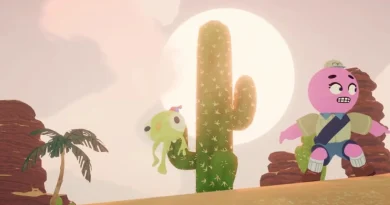
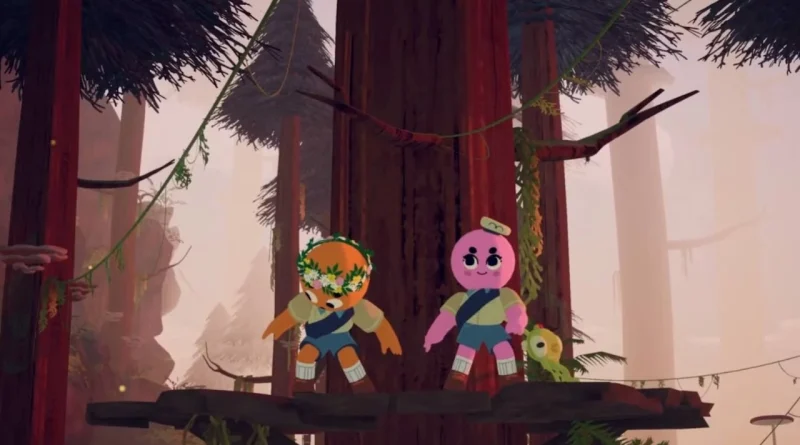
Peak, which has rapidly ascended to become one of the year’s standout gaming phenomena, exemplifies everything the friendslop genre represents. The game throws players into absurd scenarios where coordination, communication, and the inevitable hilarious failures that ensue become the primary source of entertainment. Unlike traditional competitive multiplayer experiences that emphasize individual skill and ranking systems, friendslop games prioritize the social experience above all else. The genre has seen explosive growth in recent years, with titles like Gang Beasts, Human Fall Flat, and Content Warning paving the way for this new wave of deliberately chaotic cooperative experiences.
The defense of friendslop by Peak’s creator touches on a fundamental philosophical question about the purpose of interactive entertainment. In an era where games increasingly feature sophisticated narratives, photorealistic graphics, and complex mechanical systems, the friendslop genre strips everything back to basics: people spending time together and creating shared memories. The argument being made is that games, at their core, exist as tools for human connection rather than mere content to be consumed. This perspective challenges the prevailing industry focus on engagement metrics, monetization strategies, and competitive esports frameworks that have dominated gaming discourse for the past decade.
The historical context for this genre debate is particularly illuminating. Video games have always had a social dimension, from the arcade cabinets that gathered crowds in the 1980s to the LAN parties of the 1990s where friends would haul desktop computers to each other’s homes. The rise of online gaming initially promised to expand these social possibilities infinitely, but many argue that something was lost in translation. Anonymous matchmaking and toxic competitive environments replaced the warmth of playing alongside people you actually knew and cared about. Friendslop games, in many ways, represent a return to that original social spirit — they’re designed explicitly to be played with friends, often requiring voice communication and rewarding cooperation over individual achievement.
Critics of the friendslop label argue that the term ‘slop’ implies low-quality, hastily produced content designed for mindless consumption — a characterization that doesn’t fairly represent the careful design work that goes into crafting these experiences. Creating effective chaos is paradoxically quite difficult; developers must balance unpredictability with just enough player agency to make outcomes feel earned. The physics systems, the timing of events, and the pacing of challenges all require meticulous tuning to generate those perfect moments of comedic disaster that players share as clips on social media. Peak’s developers understand this delicate balance, which is partly why they feel confident enough to embrace even a potentially disparaging label.
The streaming and content creation ecosystem has played a crucial role in the friendslop genre’s rise to prominence. Platforms like Twitch and YouTube have created an environment where the entertainment value of games extends far beyond the players themselves — viewers derive enormous pleasure from watching others navigate these chaotic experiences. The genuine reactions, the unexpected failures, and the triumphant successes create compelling content that algorithms favor and audiences devour. This symbiotic relationship between friendslop games and streaming culture has accelerated the genre’s growth, with developers increasingly aware that their games need to be not just fun to play, but also entertaining to watch.
Looking forward, the embrace of the friendslop label by Peak’s creator signals a maturation in how the gaming community discusses and categorizes experiences. Rather than fighting against a term that might seem dismissive on the surface, the developers have chosen to reclaim it and define what it truly represents: games that prioritize genuine human connection, shared laughter, and memorable moments over conventional metrics of quality or success. As the gaming industry continues to evolve, the friendslop philosophy — that games exist fundamentally as vehicles for bringing people together — may prove to be not just a defense of a genre, but a necessary reminder of why we play games in the first place.